The entry path changes the recovery plan
Water through a roof opening, a basement window area, or an exterior doorway can affect different materials. A drain backup during a storm may add another problem. Explain what you observed and whether water is still entering, without assuming a particular cause from the weather alone.
Call (866) 552-5141 with your Arvada address, the affected rooms and levels, and whether the source is controlled. Discuss independent provider availability, the initial assessment, and any plumbing or roofing work already arranged. The responding business confirms its scope and charges.
Trace the entry point before repairs begin
A roof opening, blocked exterior drain, and water crossing a doorway can all leave a wet room. They need different source repairs. Share the observed entry point and any inspection already completed, while the restoration assessment establishes where the water traveled inside.
An emergency water-removal visit may need to be coordinated with roofing, plumbing, or drainage work. Confirm which responsibilities are included and whether continued entry changes the proposed cleanup or drying plan.
Use local flood information for the actual address
Arvada’s floodplain-management resources include mapping links and drainage information. The city notes that flood risk can exist outside mapped floodplains. A neighborhood label or distance from a creek does not establish the condition of an individual property.
Check official local-hazard guidance and follow emergency instructions. Tell the provider about blocked approaches, water around the building, or known closures. Do not cross floodwater to arrange access. Cleanup should be planned around the observed source and what the water contacted.
Safe entry comes before photographs or pumping
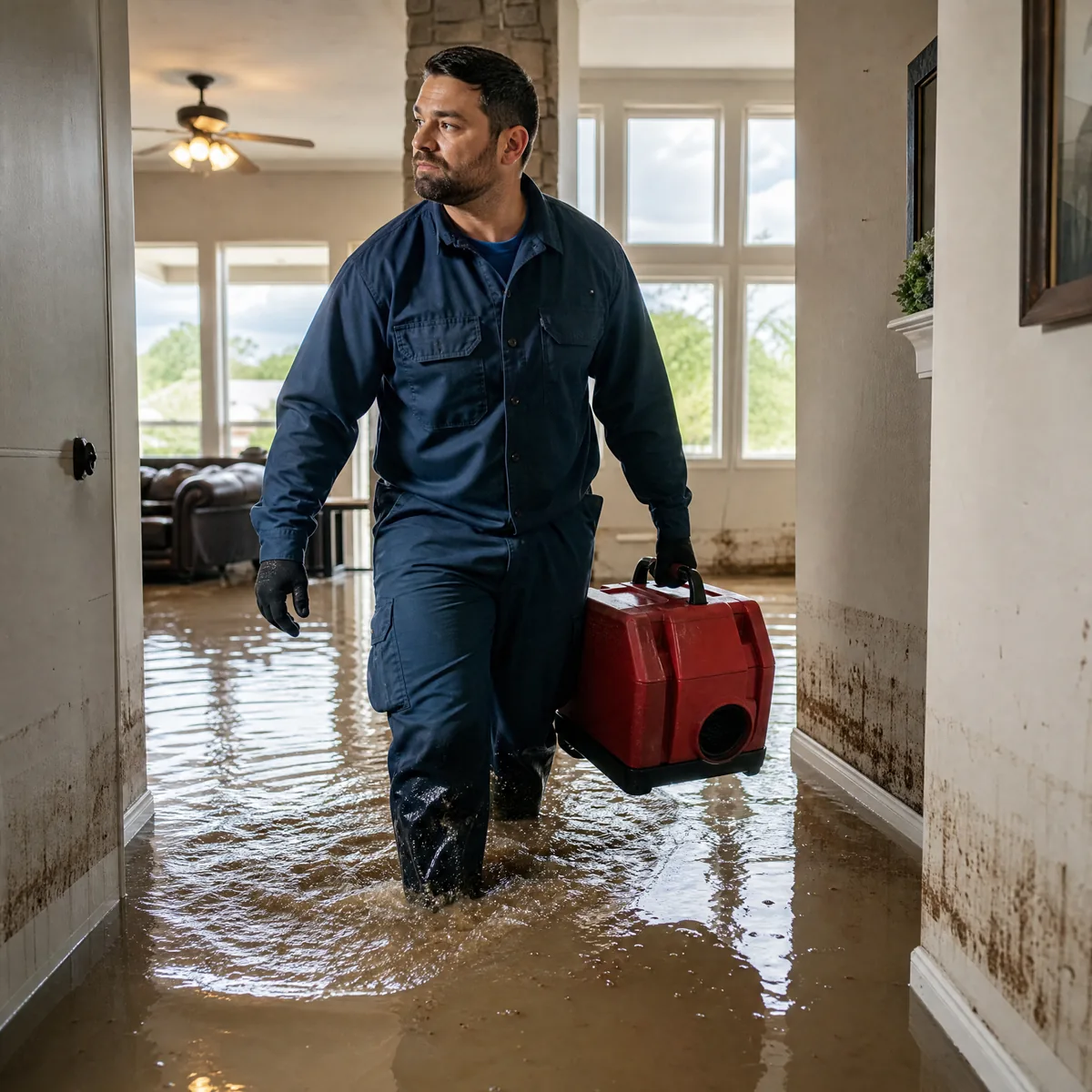
Stay away from moving water, submerged electrical equipment, unstable finishes, and areas where the depth or footing is uncertain. Do not cross floodwater to reach a shutoff or recover belongings. Follow official access restrictions, and use emergency services for immediate threats to life or safety.
Water pressure and structural conditions may affect how an enclosed or below-grade space is emptied. Deep water removal should be planned by qualified professionals. A rented pump is not a substitute for evaluating the structure, utilities, or the conditions around the building before starting a pump-out.
Outdoor water can change what is salvageable
Water traveling over the ground may contact soil, debris, sewage, and other contaminants before entering. Its appearance is not enough to establish the appropriate cleanup. Tell the contractor whether the loss involved runoff, drain backup, or an unknown mixture so the assessment can account for contamination.
Affected carpet, insulation, wall materials, or contents may require different handling from materials exposed to a recent supply-line leak. Ask how retention and removal decisions will be made. Moving wet items into another room without a plan can spread the problem beyond the area the storm initially affected.
Keep weather protection and interior cleanup coordinated
A roofer, drainage specialist, plumber, or another qualified trade may need to address the source. The restoration scope covers the agreed work on the resulting damage; it does not automatically include exterior repairs. Confirm who is responsible for temporary protection and who will complete the permanent correction.
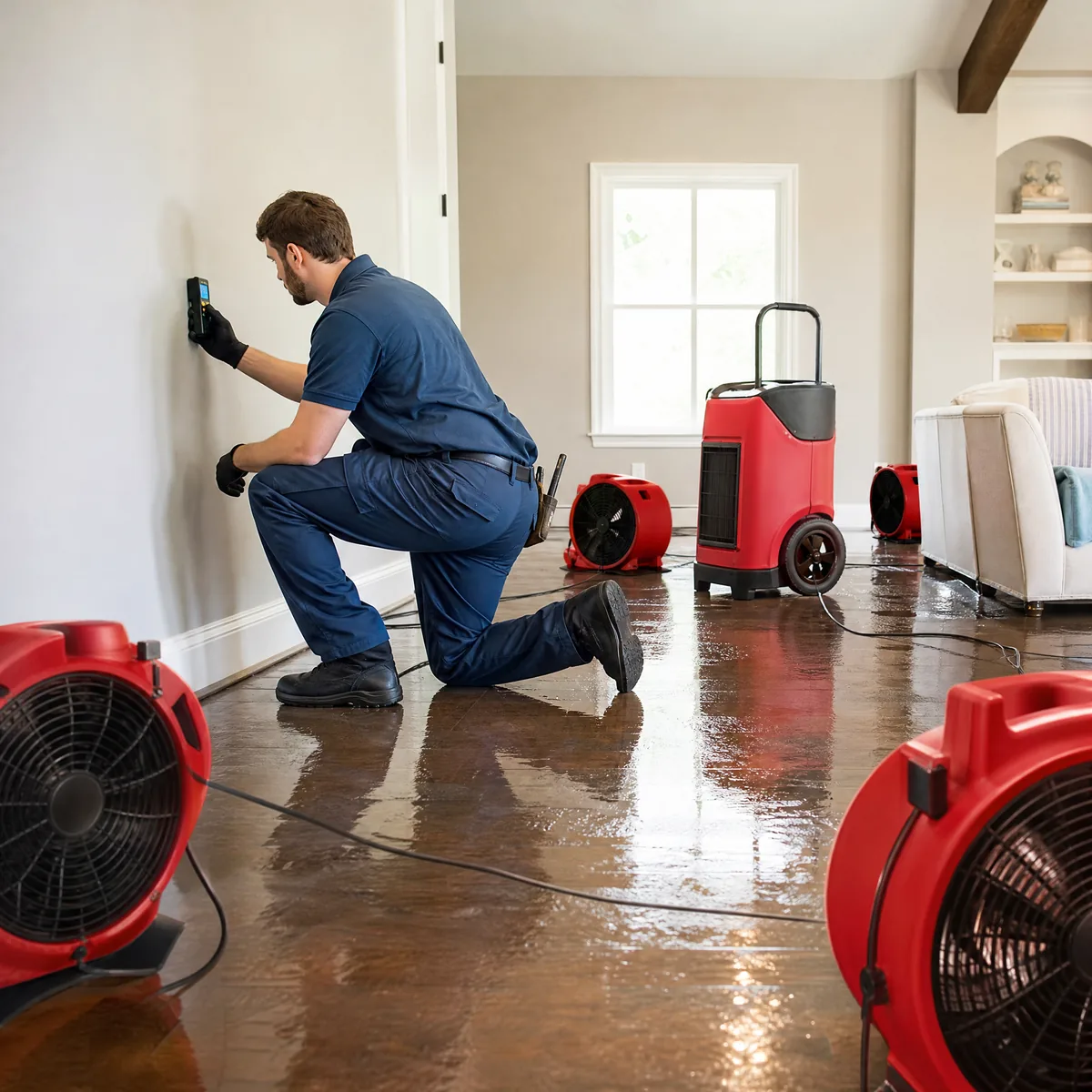
If rain entry continues, explain that before drying equipment is installed. The provider may need to adjust the sequence around the source repair. For a roof-related loss, see roof-leak cleanup. For water beneath the house, review crawl-space water removal.
What the recovery can involve
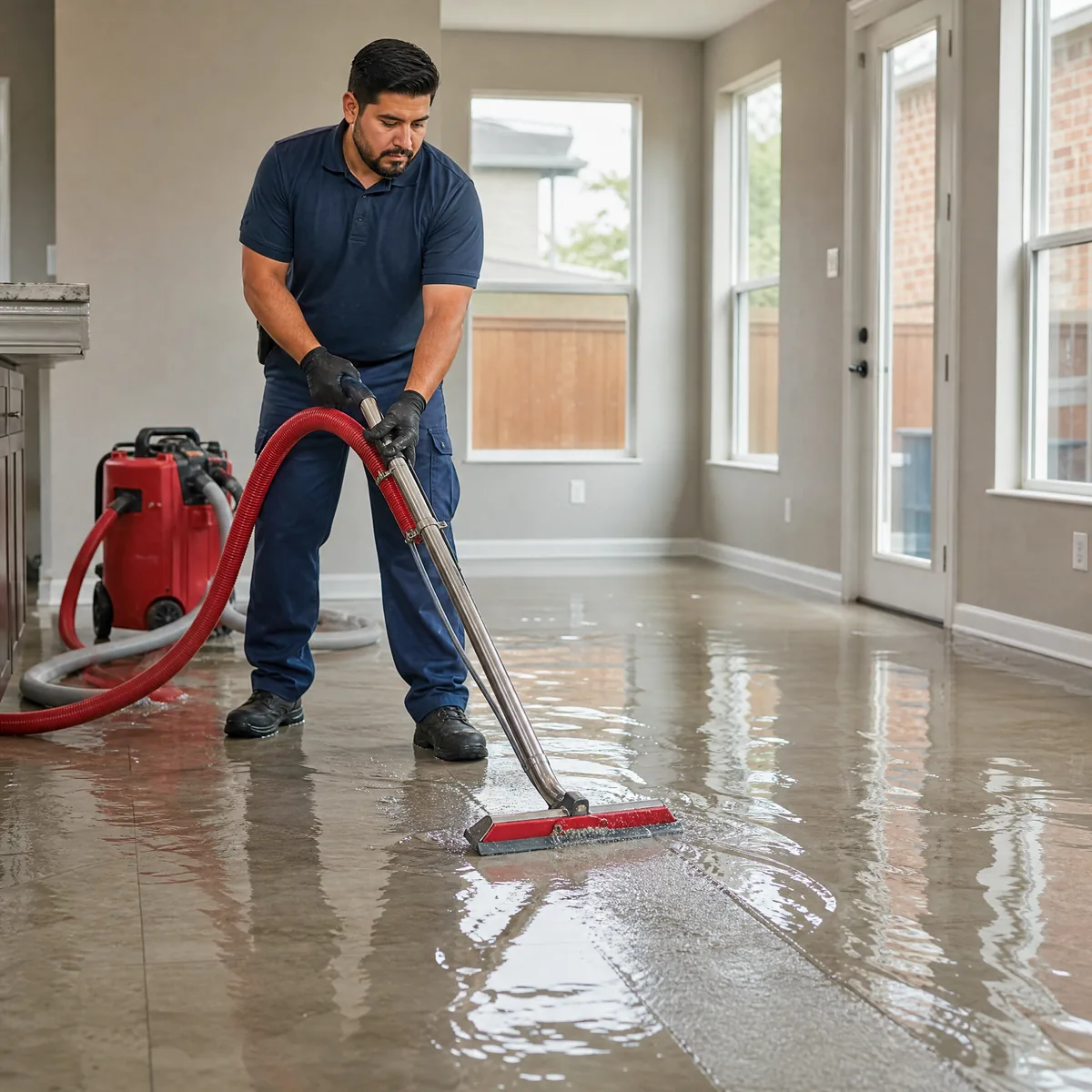
Once the area can be accessed safely, the contractor may document the damage, remove standing water, sort affected contents, clean suitable surfaces, and remove materials that cannot reasonably be retained. Drying then addresses remaining wet components using a plan suited to the building.
Ask how debris and equipment will move through the property and how unaffected rooms will be protected. In a Arvada mixed-use building or commercial unit, shared entrances and neighboring occupancies may need coordination. Identify the contact who can approve changes and arrange access if the loss extends beyond the first room inspected.
Record the event without promising yourself coverage
Photographs taken safely, an item list, discovery dates, source findings, and invoices can help explain the loss. Ask the contractor to document the condition of materials recommended for disposal where practical. Keep emergency mitigation records separate from estimates for rebuilding or correcting the entry point.
Contact your insurer about the actual source and applicable coverage. Outside floodwater, a drain backup, and rain entering through a damaged roof should not be described as interchangeable events. The restoration provider explains the physical work; the insurer determines coverage and claim requirements.
Prepare for repairs and the next rainfall
Before finishes are replaced, confirm the condition of remaining materials and retain the relevant drying documentation. A dry-looking room does not answer whether a concealed cavity or floor layer is ready. The repair contractor should receive information about the affected areas and what was removed.
After the emergency phase, follow through on the source correction identified by the appropriate trade. Call (866) 552-5141 for storm cleanup help in Arvada. Explain safe access, whether entry continues, and whether the loss involves a home, apartment, or business so the provider can discuss the next step.
Storm & flood cleanup: common questions
Does living away from the Bay eliminate storm-water risk?
Can I start drying while water is still entering?
Does storm cleanup include drainage improvements?
Why can arrival take longer after widespread rain?
Help for your Arvada address
See the Arvada and nearby area guides for access details. Call with the full address to confirm provider coverage and current availability.