Water removal starts with the source and the spread
A broken supply line can send water from a utility room into a finished basement. An upstairs overflow can reach a ceiling before the floor above looks seriously damaged. Extraction removes accessible water; the assessment should also follow it into adjoining surfaces and concealed spaces.
Call (866) 552-5141 with your Arvada address, the affected rooms and levels, and whether the source is controlled. Discuss independent provider availability, the initial assessment, and any plumbing or roofing work already arranged. The responding business confirms its scope and charges.
A good assessment starts at the source
The contractor needs to know where the water originated, how long it has been present, and what it contacted. A recently broken supply line is different from a sewer backup or runoff entering from outside. Clear water is not proof that the entire affected area can receive the same treatment as a clean household spill.
Describe any known contamination before the visit. If the source is uncertain, say so. There is no benefit in guessing the water category over the phone or entering an unsafe area to investigate. Keeping foot traffic out of the wet space can also help avoid carrying water or contamination into rooms that were unaffected.
Tell the provider where the water went downstairs
For an Arvada property, mention stairs, a finished lower room, a storage area, or a ceiling below the source. If water is confined to the main level, describe the adjoining cabinets, closets, and floor coverings. There is no need to enter an unsafe area to measure the depth.
Give the normal entrance and any limits on equipment access. In a managed building, identify who can open affected rooms and approve work. Ask what moisture checks and drying will follow the initial removal so the remaining job is clear.
Extraction equipment should fit the space
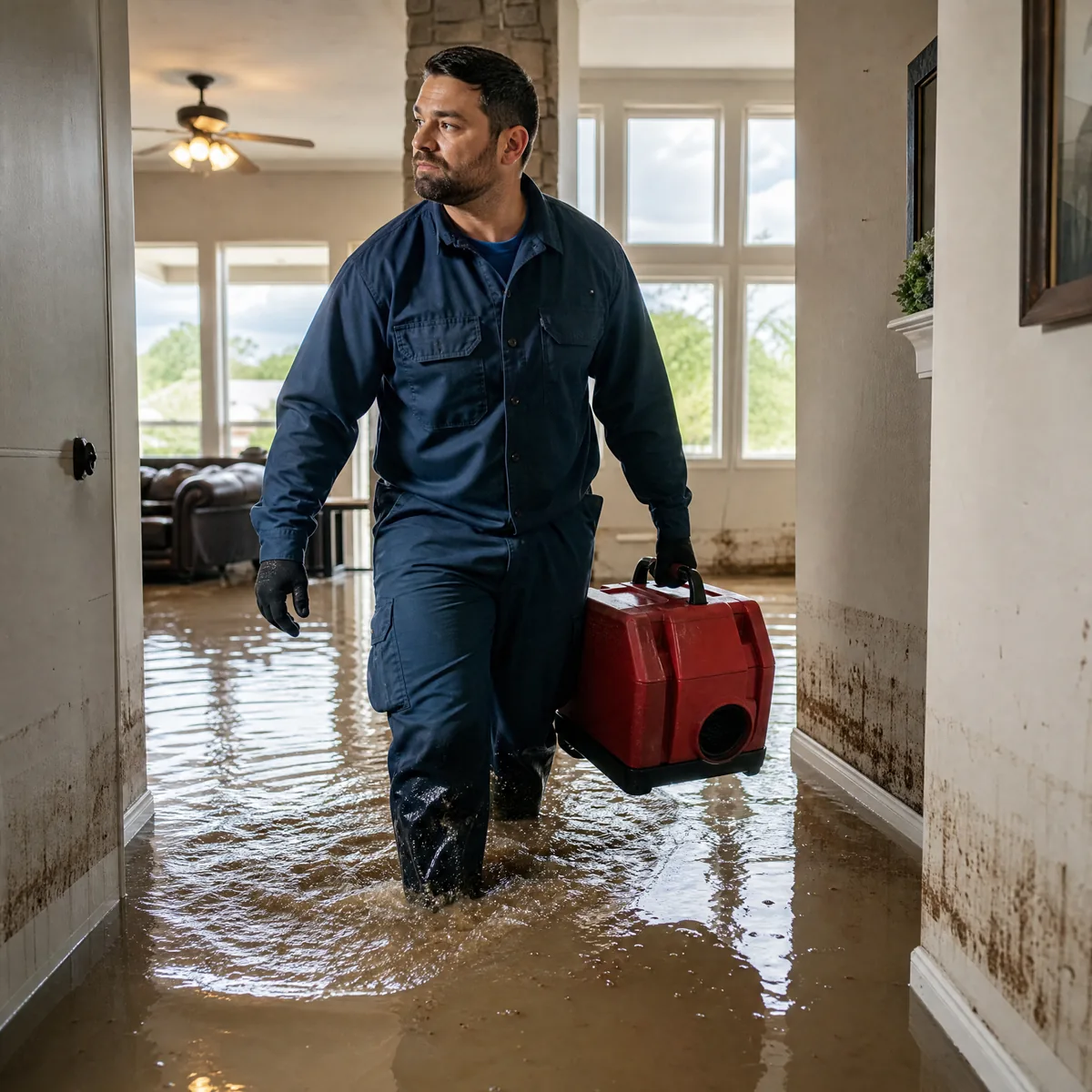
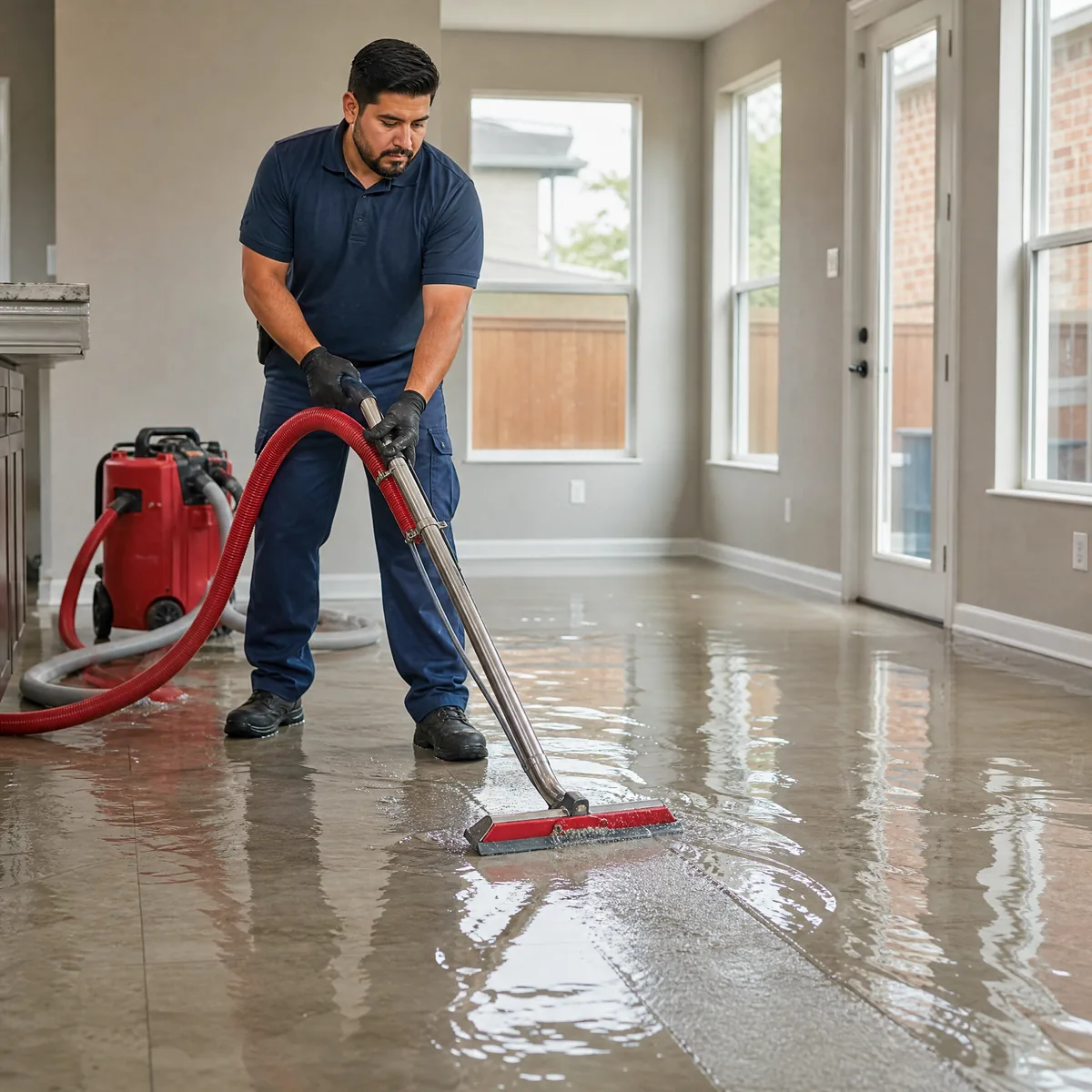
Deeper pools may call for pumping before an extractor can address the remaining water. Portable extraction equipment can be useful where a truck-mounted setup has limited access. Floor construction, stairs, door widths, parking, and the distance to the affected room all influence how the contractor plans the work.
In a Arvada townhouse, a ground-floor loss may extend beneath kitchen cabinets and into an attached garage. In an apartment, equipment may need to move through shared hallways. Explain those conditions during the call. The useful question is whether the proposed setup can reach the affected materials safely and effectively, not simply how large a machine the crew owns.
The floor surface does not tell the whole story
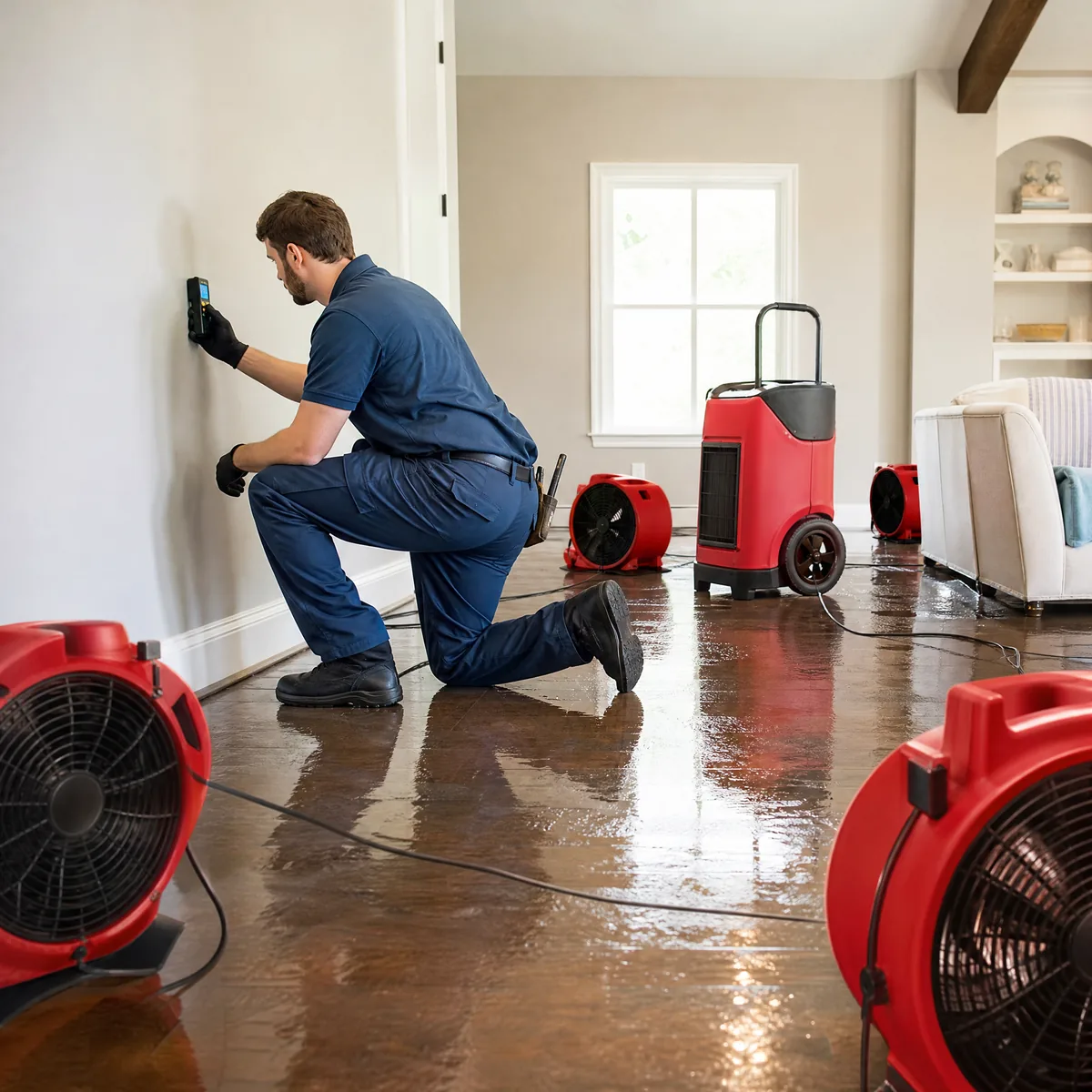
Water can move below a floating floor, soak carpet padding, or collect along the joint between a floor and wall. A tile or vinyl surface may appear intact while adjacent wood trim or the assembly below remains wet. The inspection should include those transitions and any nearby room where moisture may have traveled.
Ask the contractor to identify the materials they believe are affected and the areas requiring further access. Removing a floor covering is a significant decision that should have an explained purpose. Where in-place drying is suitable, the plan should describe how the contractor will check progress below or around the visible finish.
Extraction and drying solve different parts of the loss
The end of standing water is an important milestone. It does not establish that framing, wall cavities, or subflooring have returned to an appropriate condition for repair. The next stage may involve structural drying, material removal, cleaning, or a combination based on the inspection.
Confirm whether extraction and drying are included in one proposal. Ask about equipment operation, return visits, and the information provided when the work is complete. A brief extraction appointment followed by no moisture assessment can leave you uncertain about whether the property needs more work before flooring or wall finishes are replaced.
What to move, what to leave, and what to record
From a safe, dry location, take photographs of the affected rooms and note when the water was discovered. Small dry belongings may be moved out of the way if access is safe. Do not lift heavy wet furniture, handle wet electrical devices, or disturb materials around an unstable ceiling simply to clear the room faster.
Contents may need their own evaluation. Discuss what can stay, what requires cleaning, and what the contractor recommends removing. Keep a record of items leaving the property and agree on disposal where practical. A clear contents plan prevents a water-removal visit from turning into an unplanned decision about valuable or sentimental belongings.
Getting an estimate that explains the work
The amount of water matters, but so do contamination, access, floor layers, contents, disposal, and follow-up drying. Ask which emergency charges apply and whether the quoted scope includes the full affected area. If new damage is found after access is opened, request an explanation of the change before additional work where circumstances allow.
If insurance may be involved, contact your insurer about the source and required records. The provider can document the physical loss and services performed. Photographs, moisture records, and itemized invoices help explain a claim, but the contractor does not determine coverage or guarantee that every proposed charge will be paid.
Arrange water removal for your Arvada address
Call (866) 552-5141 and tell the provider which rooms are wet, whether the water is still entering, and how the property can be accessed. Include the unit number and the appropriate building contact for a managed property. Scheduling should be confirmed for the actual address and current conditions.
If the problem is below the house, see crawl-space water removal. For drain contamination, see sewage cleanup. Those details can change the scope substantially, so bring them up before expecting a standard extraction appointment.
Water extraction & cleanup: common questions
Can a household wet vacuum replace professional extraction?
Will all the flooring have to be replaced?
Do you need to know the square footage before I call?
How soon can extraction begin?
Help for your Arvada address
See the Arvada and nearby area guides for access details. Call with the full address to confirm provider coverage and current availability.